SPs UNPAD Takes Proactive Measures in Food Waste Management

Widy
UNPAD Staff Writer
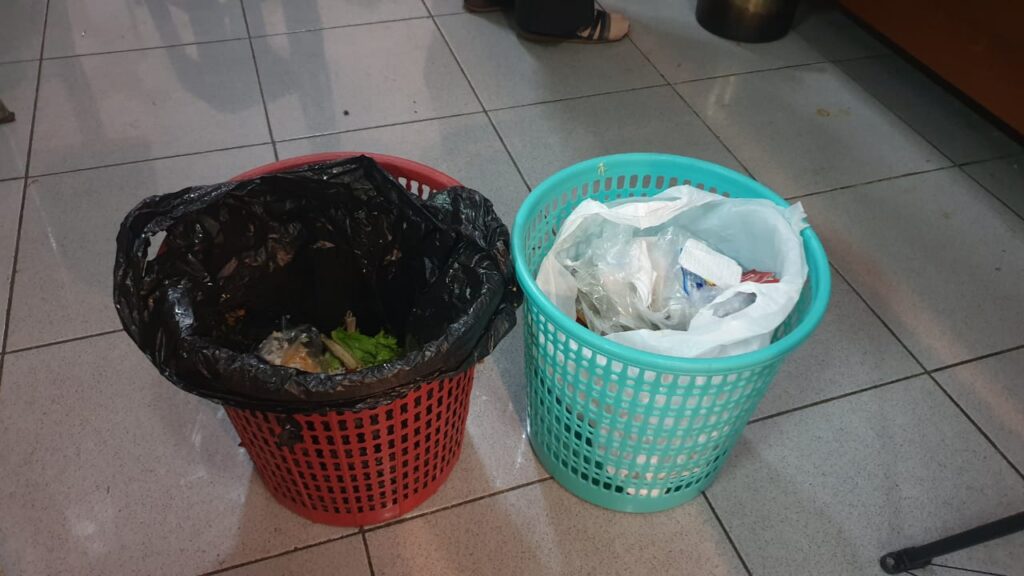
Sekolah Pasca Sarjana (SPs) Universitas Padjadjaran is leading the way in sustainability by meticulously tracking food waste generated from campus cafeterias. This initiative aims to foster more sustainable practices and reduce the environmental footprint of campus operations.
Food Waste Statistics for 2023:
Organic Waste: 0.3795 tons per year
Inorganic Waste: 0.1265 tons per year
Additionally, a recent Pre-Sustainability Survey revealed that the total waste produced by students, staff, and faculty amounts to 155.342 tons annually. On average, each individual contributes approximately 0.2 kg of waste per day.
Key Actions and Implications:
By analyzing these figures, SPs UNPAD is taking decisive steps towards:
Reducing Waste: Implementing strategies to minimize both organic and inorganic waste.
Enhancing Recycling Efforts: Improving recycling programs and waste separation to better manage and reduce non-organic waste.
Promoting Sustainable Practices: Encouraging the campus community to engage in practices that support waste reduction and environmental sustainability.
This proactive approach aligns with several Sustainable Development Goals (SDGs), particularly:
SDG 12: Responsible Consumption and Production – By monitoring and reducing waste, SPs UNPAD is contributing to more sustainable consumption and production patterns.
SDG 13: Climate Action – Reducing waste helps lower greenhouse gas emissions and mitigates climate change impacts.
For more information on SPs UNPAD’s sustainability efforts and initiatives, please visit our sustainability guidelines.
Join us in our commitment to a greener, more sustainable campus!
The institution’s sustainability guidelines