SPs UNPAD Advances Water Conservation with Drought-Resistant Landscaping Policy

Widy
UNPAD Staff Writer

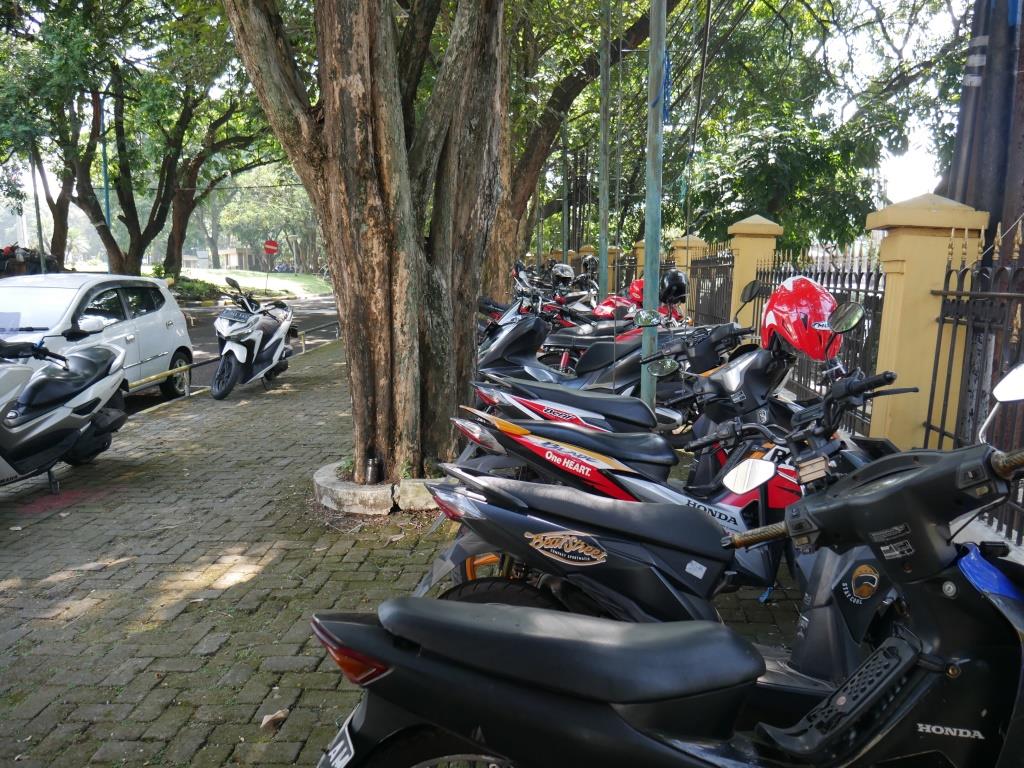
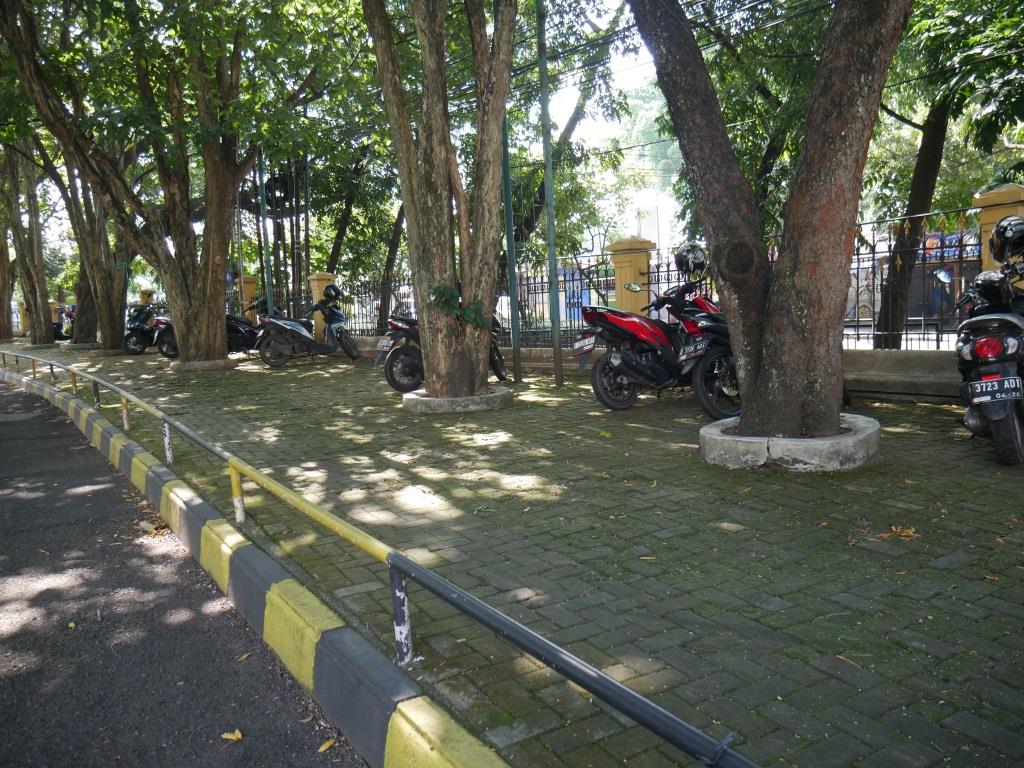
In a notable move towards sustainable campus management, Sekolah Pascasarjana Universitas Padjadjaran (SPs UNPAD) has introduced a new landscaping policy that prioritizes the use of drought-resistant plants. This initiative is a key component of our sustainability guidelines and aims to significantly reduce water consumption across the campus.
The new policy involves replacing traditional landscaping with drought-tolerant vegetation, which requires less water and helps in conserving our valuable water resources. This strategic shift is designed to enhance water efficiency and contribute to broader conservation goals.
Supporting SDGs Through Sustainable Landscaping
This initiative aligns with several Sustainable Development Goals (SDGs) as outlined by Times Higher Education (THE) impact indicators:
SDG 6: Clean Water and Sanitation – By reducing water usage through the implementation of drought-resistant plants, SPs UNPAD is directly contributing to the sustainable management of water resources and ensuring their availability.
SDG 11: Sustainable Cities and Communities – The adoption of water-efficient landscaping practices supports the development of sustainable and resilient urban environments.
SDG 13: Climate Action – Utilizing drought-tolerant plants helps mitigate the impact of climate change by reducing water demand and promoting adaptive strategies for water conservation.
This policy not only supports our commitment to environmental sustainability but also serves as a model for effective water management practices. By integrating these guidelines into our campus landscape, SPs UNPAD is taking meaningful steps toward a more sustainable future.
For more information on our sustainability policies and initiatives, please visit our Sustainability Guidelines.
Stay tuned for more updates on how SPs UNPAD is making strides in sustainability!
The institution’s sustainability guidelines