
UNPAD Graduate School Sets New Standards for Energy Efficiency and Sustainability in Support of SDG 7 Universitas Padjadjaran (UNPAD)

Widy
UNPAD Staff Writer
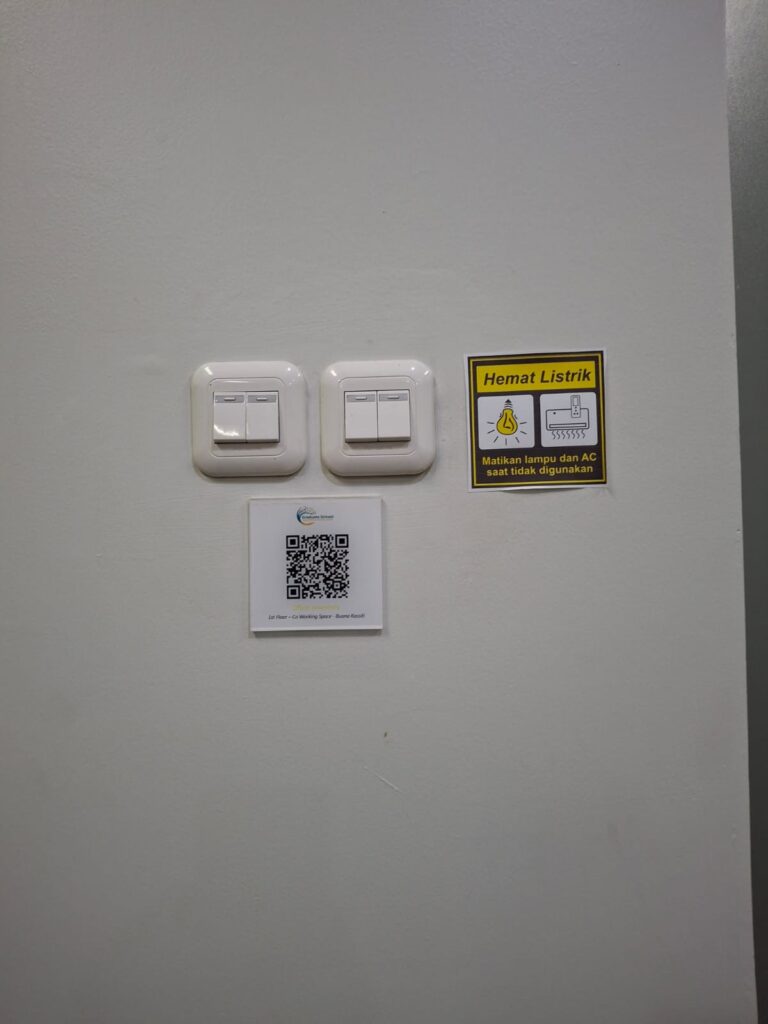
Graduate School is proudly unveiling its comprehensive sustainability guidelines aimed at enhancing energy efficiency and supporting Sustainable Development Goal 7 (SDG 7), which focuses on ensuring access to affordable, reliable, sustainable, and modern energy for all.
The new guidelines establish rigorous standards for all renovation and new construction projects, emphasizing energy efficiency. These standards include the use of automatic sensor lighting, LED lights, natural ventilation, windows that maximize natural light, and sensor-based water taps. Furthermore, UNPAD Graduate School is integrating eco-friendly technologies such as solar panels to promote more efficient energy management, with active support and collaboration from CSR partners involved in facility management.
In addition to new projects, UNPAD Graduate School has laid out a plan to boost energy efficiency in existing buildings. This plan includes reducing daytime lighting by optimizing natural light from windows and minimizing air conditioning use through improved natural airflow. Various other initiatives to enhance energy efficiency and reduce electricity consumption are also underway, with CSR playing a crucial role in developing facilities aligned with these sustainable energy management strategies.
UNPAD Graduate School is also committed to reducing carbon emissions by advocating for decreased reliance on air conditioning and high-energy technologies that contribute to higher carbon dioxide emissions. These measures are part of UNPAD Graduate School’s sustainability guidelines focused on mitigating the environmental impact of campus operations, with CSR supporting facilities that comply with these energy management strategies.
The energy efficiency plan includes comprehensive efforts to reduce overall energy consumption, such as replacing traditional lighting with LED technology, reducing air conditioning use, and improving overall energy management. This plan reflects UNPAD Graduate School’s commitment to supporting campus energy sustainability, with CSR involvement in developing supporting facilities.
Regular energy audits are conducted by UNPAD Graduate School to identify areas with the highest levels of energy waste and to implement solutions to address these inefficiencies. This review process aims to ensure that all campus operations contribute to higher energy efficiency.
UNPAD Graduate School tracks total energy consumption in Gigajoules (GJ) as part of its strategy to effectively measure and manage energy use across the campus. This data is used to monitor energy usage trends and make evidence-based decisions.
The campus floor area is recorded in square meters (m²) to ensure accurate and proportional calculations of energy consumption relative to the campus’s physical scale, supporting efforts to improve energy efficiency throughout the facilities.
UNPAD Graduate School is actively supporting start-ups focused on low-carbon economy or technologies through initiatives like vehicle sharing, high parking fees, and the development of public transport services. This support aligns with UNPAD Graduate School’s energy sustainability and carbon reduction mission.
A new program aims to reduce parking areas by repurposing vacant land into green spaces such as gardens or gazebos. This initiative is part of UNPAD Graduate School’s broader sustainable campus goals, reducing reliance on fossil-fuel-based transportation.
UNPAD Graduate School is also divesting from investments in carbon-intensive energy industries, such as coal and oil, by withdrawing funds from these sectors. This policy is a key component of UNPAD Graduate School’s commitment to energy sustainability and reducing carbon dioxide impacts.
Community engagement is another priority, with UNPAD Graduate School running programs to educate local residents about the importance of energy efficiency and the transition to clean energy. These efforts are intended to raise public awareness and extend the impact of energy sustainability beyond the campus.
UNPAD Graduate School advocates for Universitas Padjadjaran’s commitment to achieving 100% renewable energy, highlighting the significance of this transition both within and beyond the university. This initiative reflects UNPAD Graduate School’s social responsibility in supporting renewable energy.
Additionally, UNPAD Graduate School provides direct services to local industries to improve energy efficiency and transition to clean energy through energy audits, workshops, and research into renewable energy options. This service strengthens UNPAD Graduate School’s partnerships with the local community in sustainability efforts.
Support for green energy policies and energy-saving technologies includes promoting LED lighting, sensor-based water taps, automatic sensor lights, and solar panels. This support aligns with national and international sustainability policies.
Campus transportation services, including shuttle buses, are provided to reduce carbon emissions from personal vehicles. This service is part of UNPAD Graduate School’s strategy to support sustainable mobility on campus.
UNPAD Graduate School is also implementing energy-saving equipment like solar panels and sensor-based water taps as part of its operational sustainability guidelines. This effort contributes to reduced energy consumption and supports the transition to clean energy.
Energy consumption per capita (kWh per person) is measured to monitor energy use efficiency on campus and as an indicator of the success of energy efficiency programs. This data helps evaluate and optimize energy management strategies.
UNPAD Graduate School emphasizes monitoring the ratio of renewable energy production to total energy use annually as a key part of evaluating progress towards sustainability. While this implementation is still in its early stages, it represents a significant step in advancing campus energy sustainability.
By setting these high standards and actively pursuing energy efficiency initiatives, UNPAD Graduate School is making significant strides towards a sustainable energy future, supporting SDG 7 and demonstrating leadership in environmental stewardship. (SNM)