
Promoting Sustainable Food Practices at Unpad Graduate School

Widy
UNPAD Staff Writer
The Graduate School of Universitas Padjadjaran (SPs UNPAD) is taking significant steps toward sustainability and food security by implementing various initiatives to manage food waste and ensure ethical and sustainable food sourcing on campus. These efforts are aimed at supporting both students and staff while aligning with global Sustainable Development Goals (SDGs), particularly SDG 2, which focuses on ending hunger, achieving food security, and promoting sustainable agriculture.
Food Waste Management

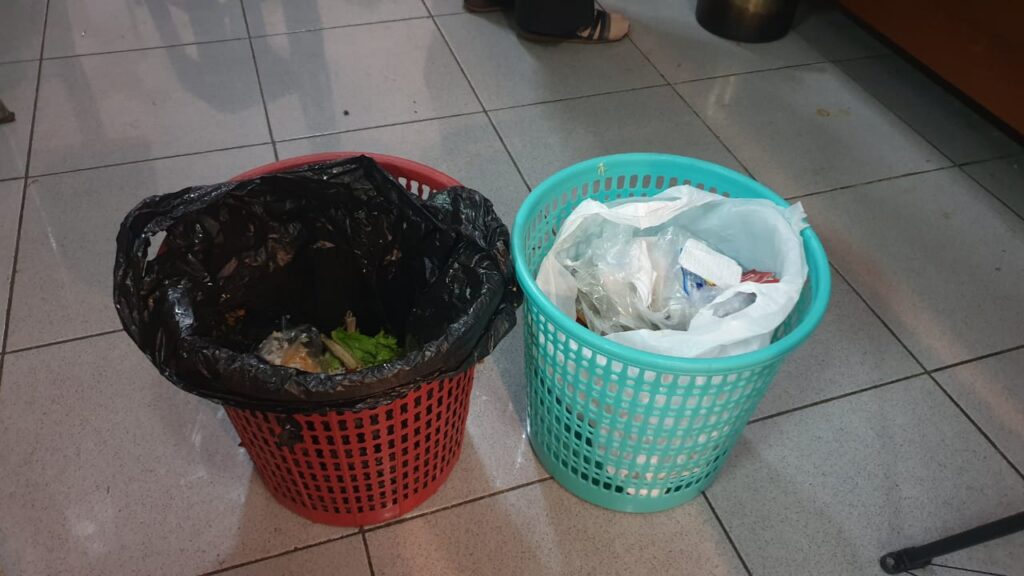
The Graduate School has put in place a systematic approach to managing food waste by separating organic waste and meticulously measuring the amount produced. According to field observations, the canteen at SPs generated 0.3795 tons of organic waste and 0.1265 tons of inorganic waste in 2023. This data-driven approach allows SPs UNPAD to understand and address food waste more effectively, contributing to a sustainable and environmentally friendly campus. Additionally, based on a Pre-Sustainability questionnaire, it was found that each student, staff, and faculty member at SPs generates a total of 155.342 tons of waste per year, with an estimated 0.2 kg of waste produced daily by each of the 307 community members.
Supporting Food Security
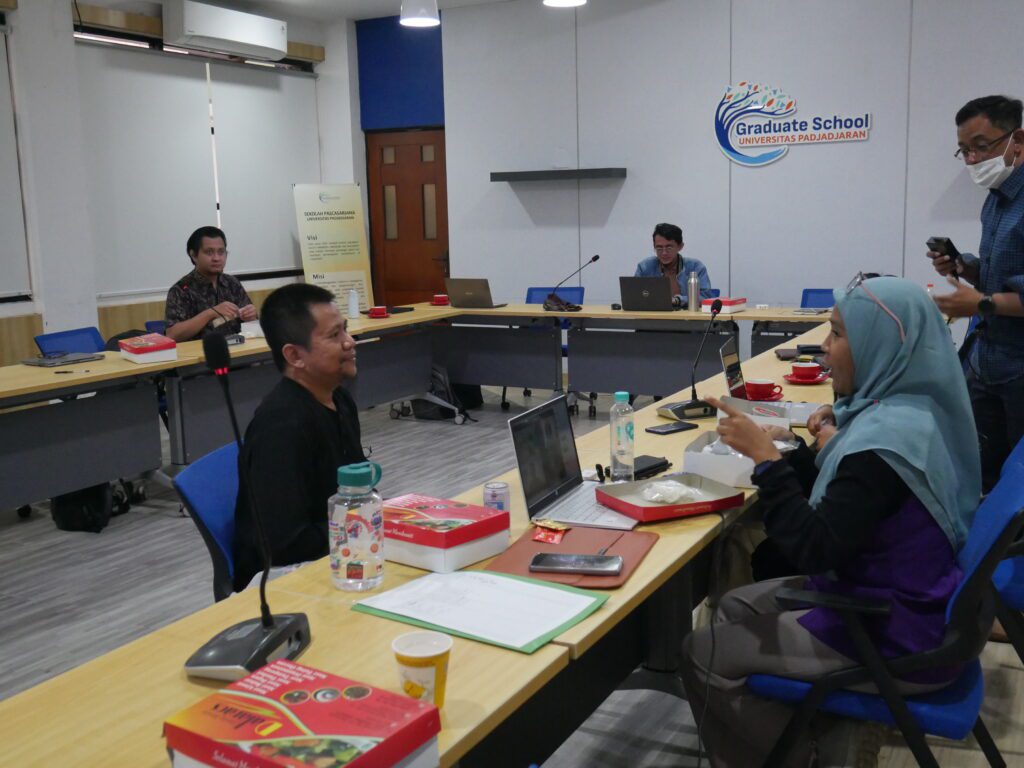
Recognizing the importance of food security for academic success, SPs UNPAD has initiated various programs to support its students and staff. One such effort includes the provision of affordable meals and regular distribution of free meals. For instance, the Master’s Program in Regional Innovation has initiated a program to provide free meals for students attending on-site classes every Saturday. This initiative not only alleviates hunger but also fosters a supportive and inclusive learning environment.

Ethical and Sustainable Food Sourcing
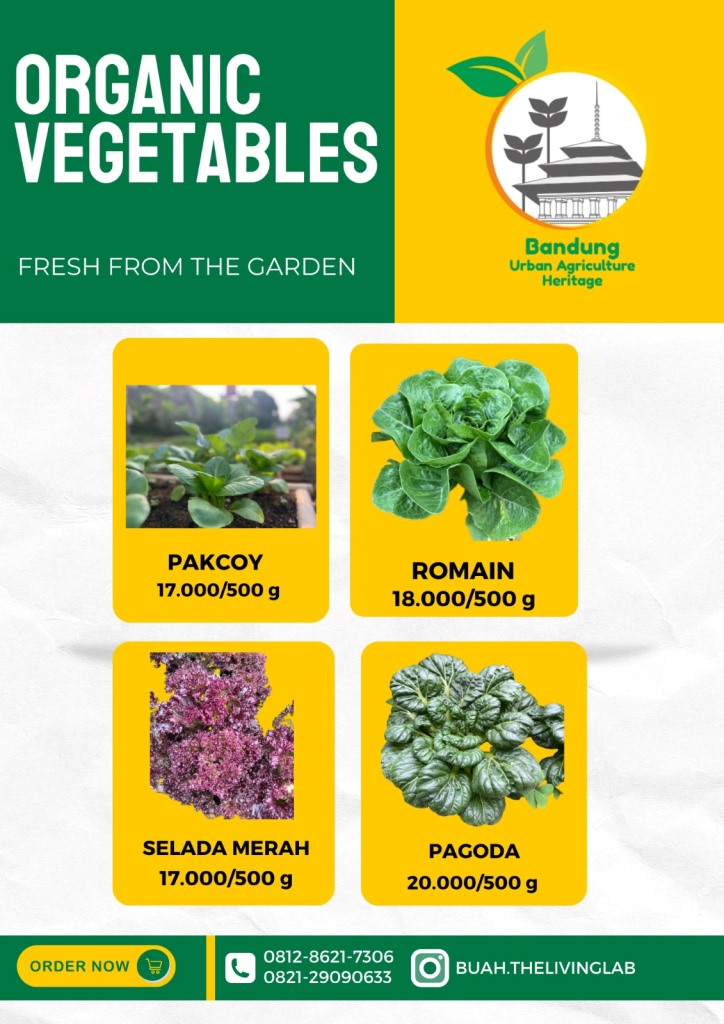
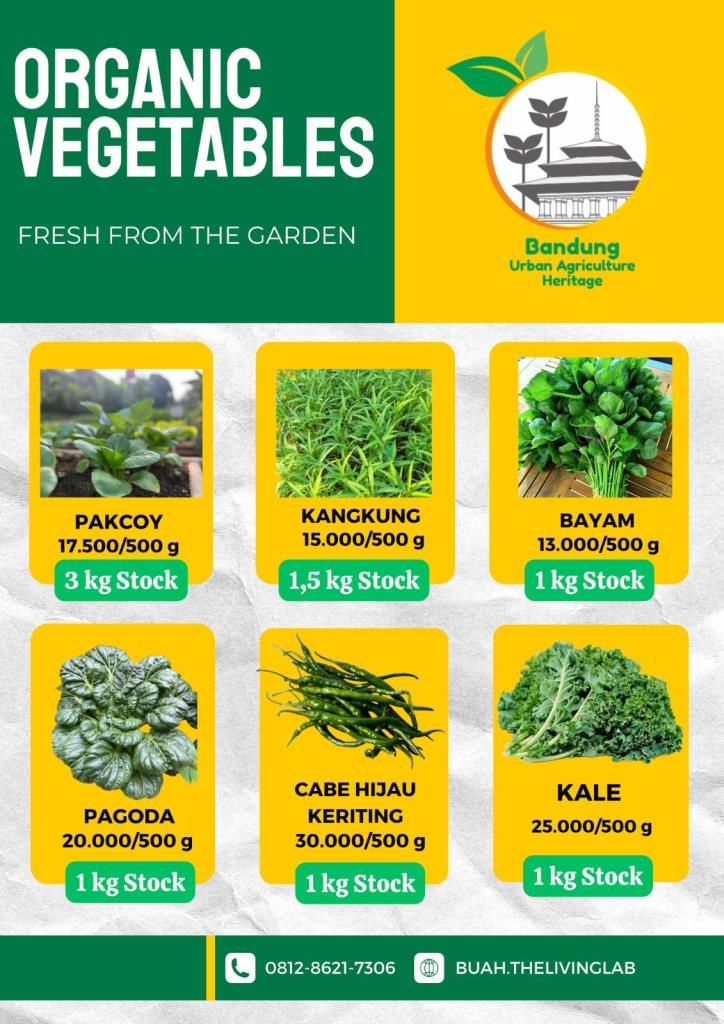
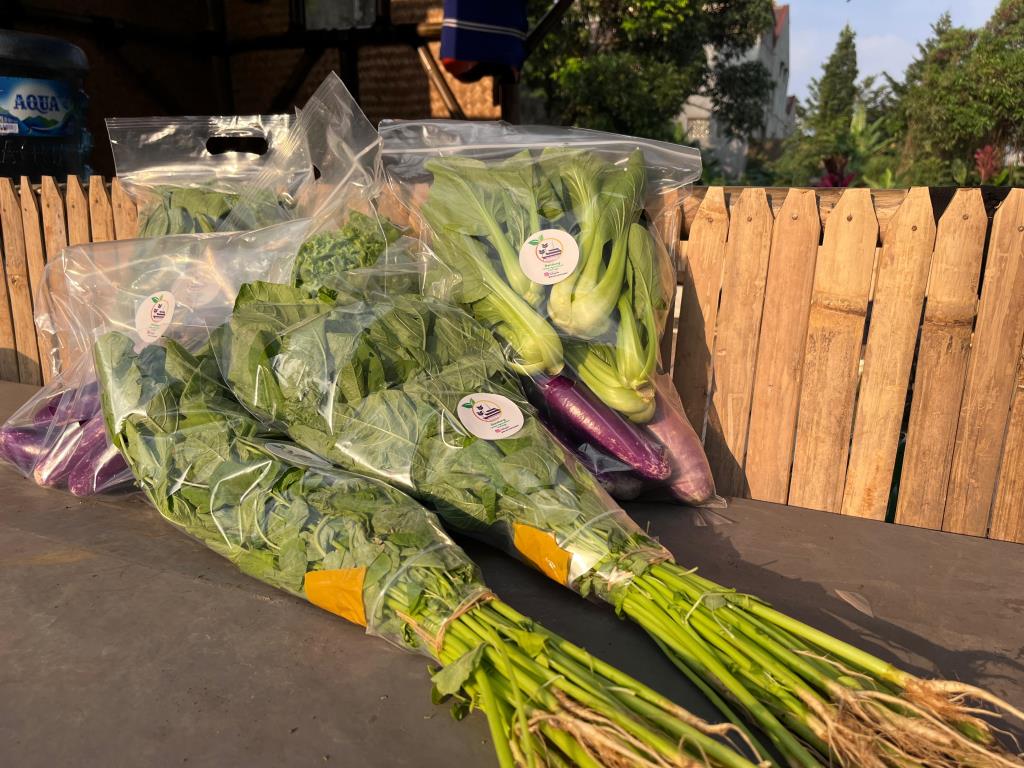
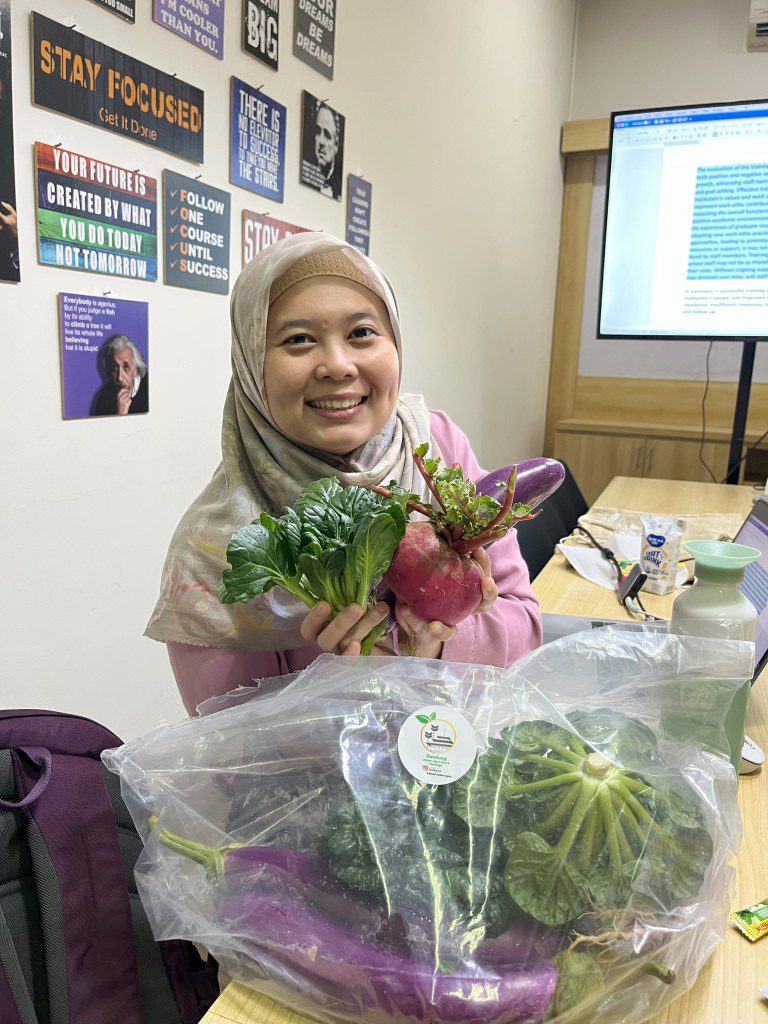
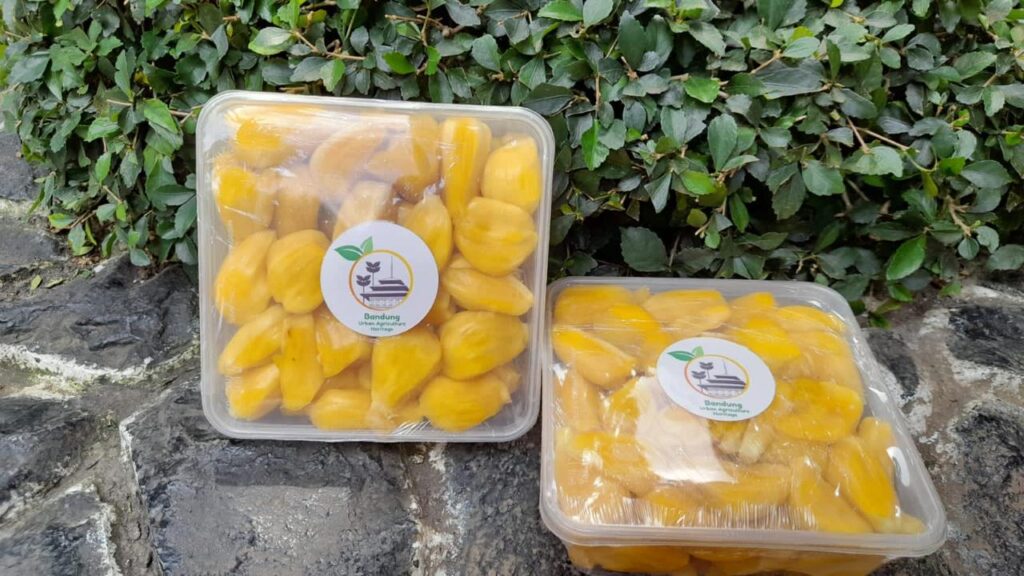
SPs UNPAD is committed to ethical food sourcing and ensuring the availability of sustainable food options on campus. The Master’s Program in Environmental Science, through its INSUAH initiative, supplies agricultural products such as vegetables grown through sustainable urban farming practices. These efforts ensure that the food served on campus is not only healthy but also harvested sustainably, minimizing the environmental impact.
Sustainable Food Choices in the Campus Canteen
The SPs canteen is at the forefront of providing sustainable food options for everyone on campus. It offers a variety of healthy and sustainable meals, including vegetarian and vegan options such as gado-gado and lotek. The canteen also avoids the use of plastic and single-use packaging, furthering its commitment to environmental sustainability. The Lorong Canteen at SPs is another example of providing healthy, organic, and affordable food options, making nutritious meals accessible to all campus members. By offering cost-effective meal choices, the canteen supports the broader goal of reducing food insecurity among students and staff.
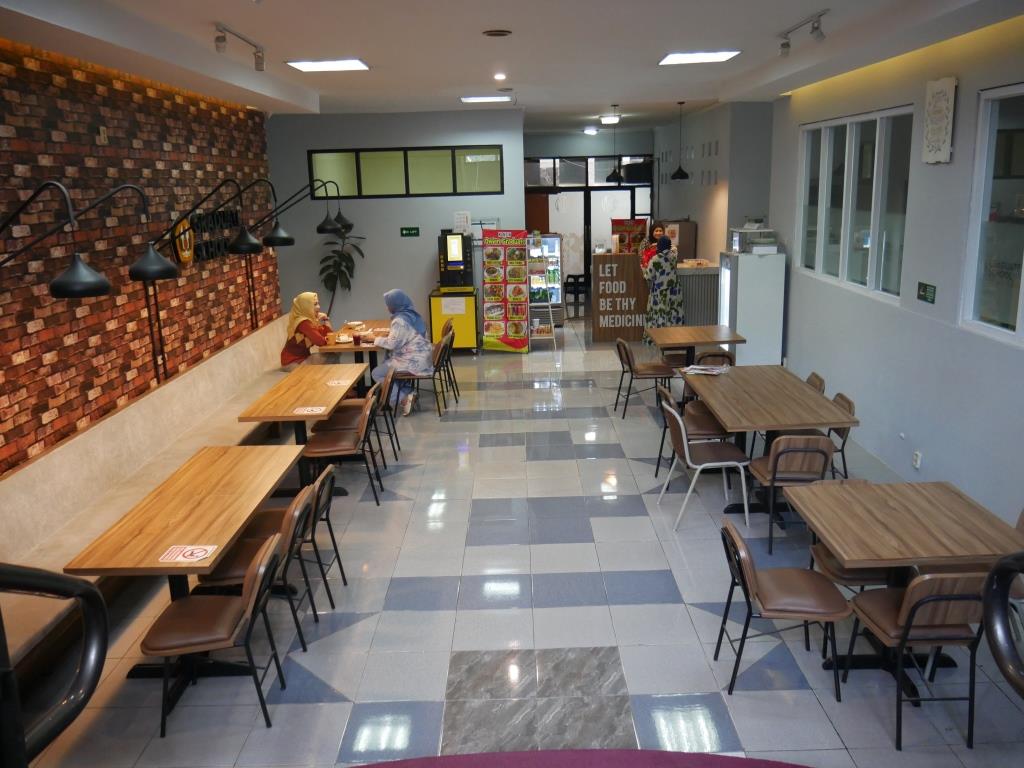
Through these comprehensive food initiatives, SPs UNPAD demonstrates a commitment to promoting health and well-being, reducing food waste, and ensuring food security on campus. These actions align with the university’s dedication to achieving SDG 2 and SDG 12, which focuses on responsible consumption and production. By nurturing a culture of sustainability and inclusivity, SPs UNPAD continues to set an example for other institutions, driving forward its mission of fostering sustainable development.