Enhancing Local Economy through Stingless Bee Cultivation in Jatigede, Sumedang

Widy
UNPAD Staff Writer
Sumedang, September 4, 2023 – In an effort to boost the local economy and promote sustainable bioproduction systems, a significant initiative has been launched in Jatigede, Sumedang Regency, focusing on the cultivation of stingless bees (Tetragonula laeviceps). This community-driven program, led by Dr. Susanti Withaningsih, M.Si., with support from Dr. Gemilang Lara Utama, M.I.L., and Dr. Sc. Dina Oktavia, S.Hut., M.Si., aims to empower local residents through sustainable beekeeping practices.
Sustainable Bioproduction Theme
Themed “Sustainability of the Stingless Bee Bioproduction System in Sumedang Regency,” this initiative is centered around fostering a new source of income for local communities while also preserving the natural environment. The project has been specifically designed to increase the number of stingless bee cultivators in the region, with a focus on practical training and resource provision.
Funding and Student Involvement
With an approved funding of IDR 15,000,000, of which IDR 11,000,000 has already been utilized, the program also integrates student involvement through various academic activities, such as Community Service Programs (KKN), the Independent Learning Campus (MBKM), and practical course work related to stingless bee cultivation.
Achieved Outcomes
The program has already seen several measurable outcomes:
The successful organization of a stingless bee cultivation training session in Ciranggem Village, Jatigede District, which has led to the formation of new beekeeper groups in the area.
The production of a documentary film highlighting the training process.
The procurement of stingless bee colonies for cultivation in Ciranggem Village.
Program Activities
The program has undertaken several key activities:
Initial Engagement with Ciranggem Village
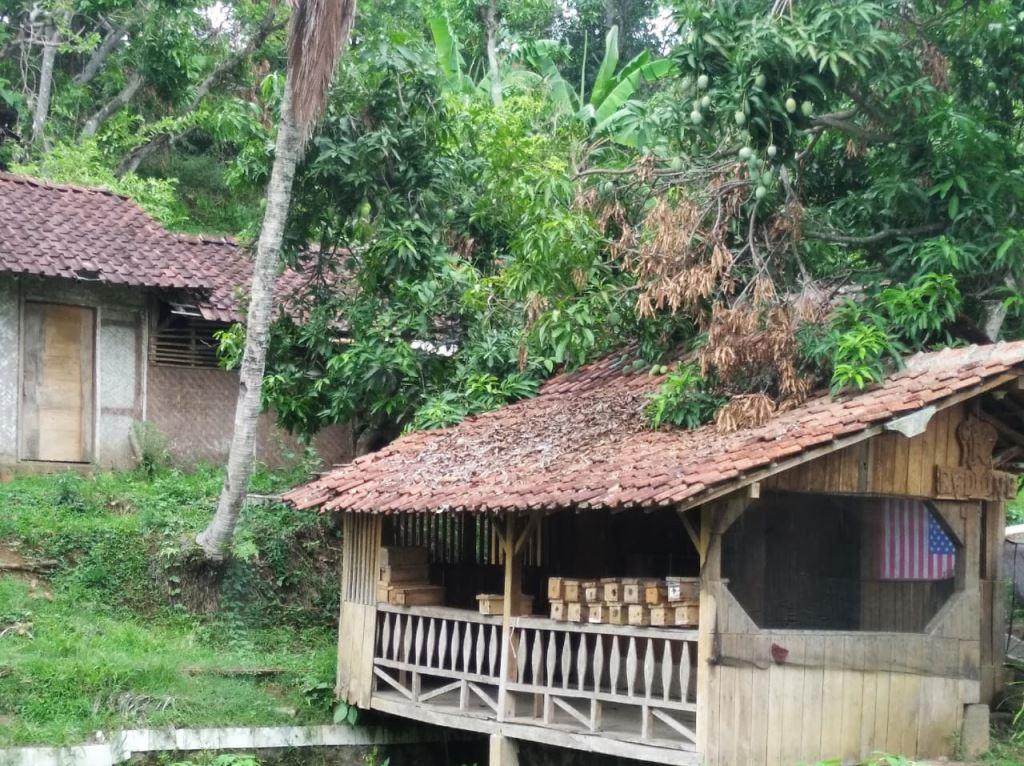
The first step involved engaging with the Ciranggem Village community and local government officials to present the plan for the stingless bee cultivation training. This consultation aimed to gather feedback on the training process. A local resident volunteered to host the outdoor training sessions on their family property. It was agreed that the training would be open to participants beyond Ciranggem Village, with a target of 10 to 15 attendees.
Selection of Trainers
Trainers were selected based on their expertise in stingless bee cultivation and their ability to communicate effectively with rural communities.
Development of Training Materials
The training materials were prepared by the trainers, with input from the project team to ensure they met the specific needs of the participants.
Obtaining Training Permissions
Given that the training took place in Ciranggem Village, an official letter from Universitas Padjadjaran’s Graduate School was issued to the village authorities to facilitate the event.
Training Implementation
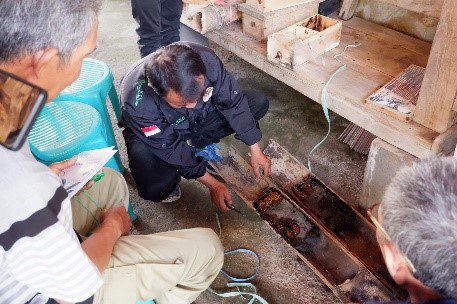
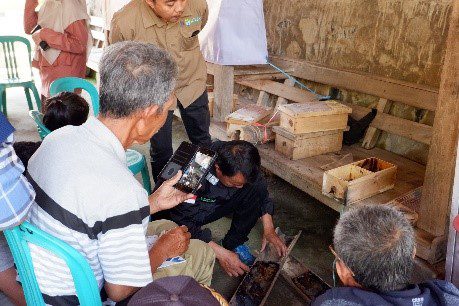
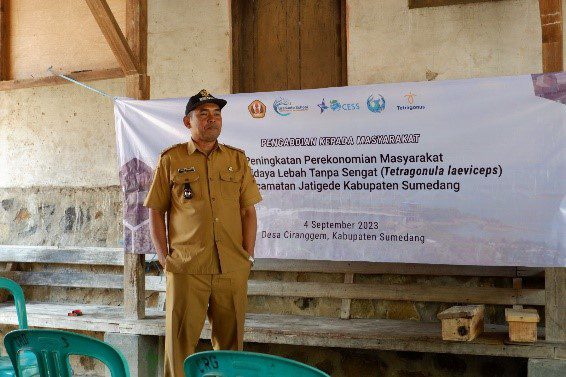
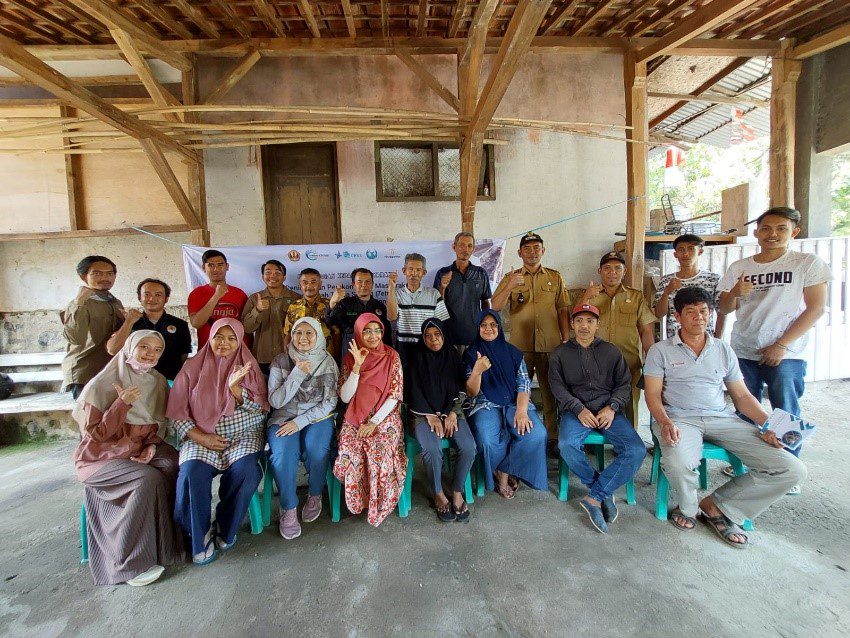
The training session on stingless bee cultivation was successfully conducted on September 4, 2023, led by Mr. Asep Ana Karyana, a seasoned beekeeper with 10 years of experience. The event was attended by 10 local residents from Ciranggem Village, along with representatives from the village government. The session began with opening remarks from the organizing committee, followed by a welcome address from the host, Mr. Kusnadi Sacawijaya, and speeches from Dr. Susanti Withaningsih, the project leader, and Mr. Karman Hermawan, the head of Ciranggem Village.
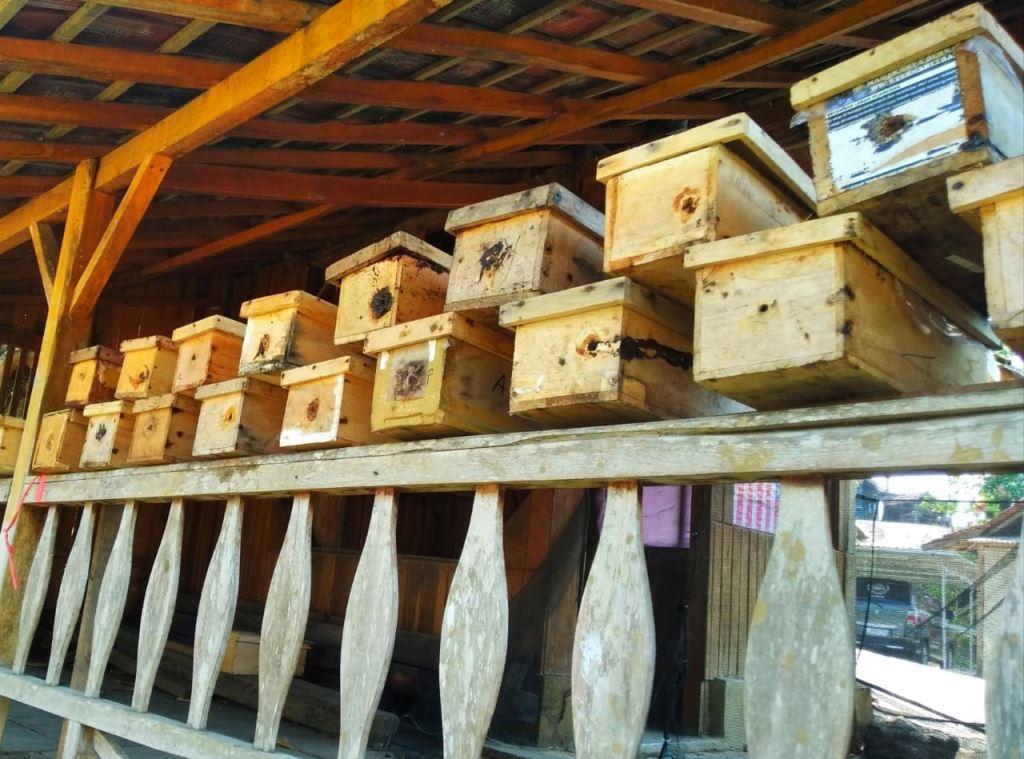
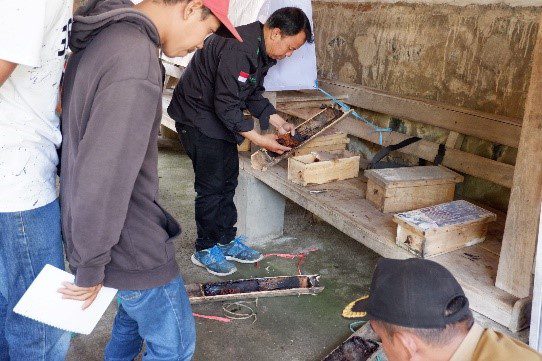
The training covered various aspects of stingless bee cultivation, including the identification of hive compartments, such as propolis, honey pockets, bee pollen pockets, and the queen bee’s chamber. Participants were shown how to transfer a colony from a natural hive (e.g., bamboo) to a cultivation hive box, and then practiced the process themselves under the guidance of the trainer. The session concluded with a honey harvesting demonstration from a hive ready for harvest.
This initiative marks a significant step towards sustainable economic development in Sumedang, empowering local communities with the knowledge and resources to engage in profitable and environmentally friendly agricultural practices. (SNM)