BUAH: Reviving Urban Agricultural Heritage for Sustainable Future

Widy
UNPAD Staff Writer
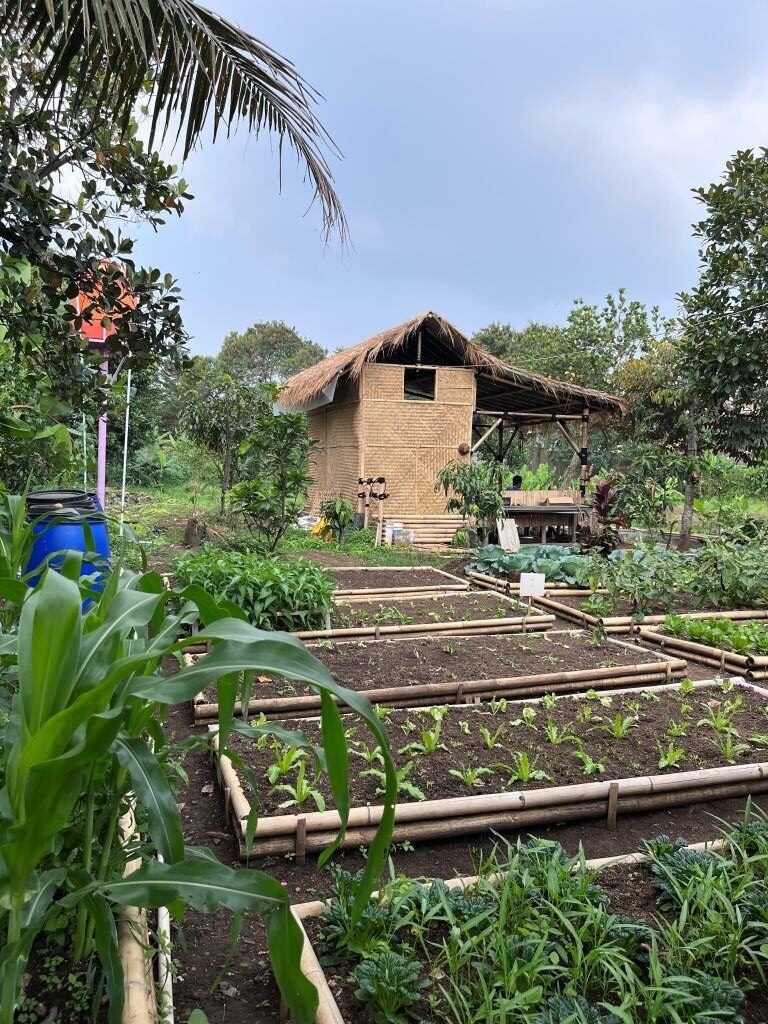
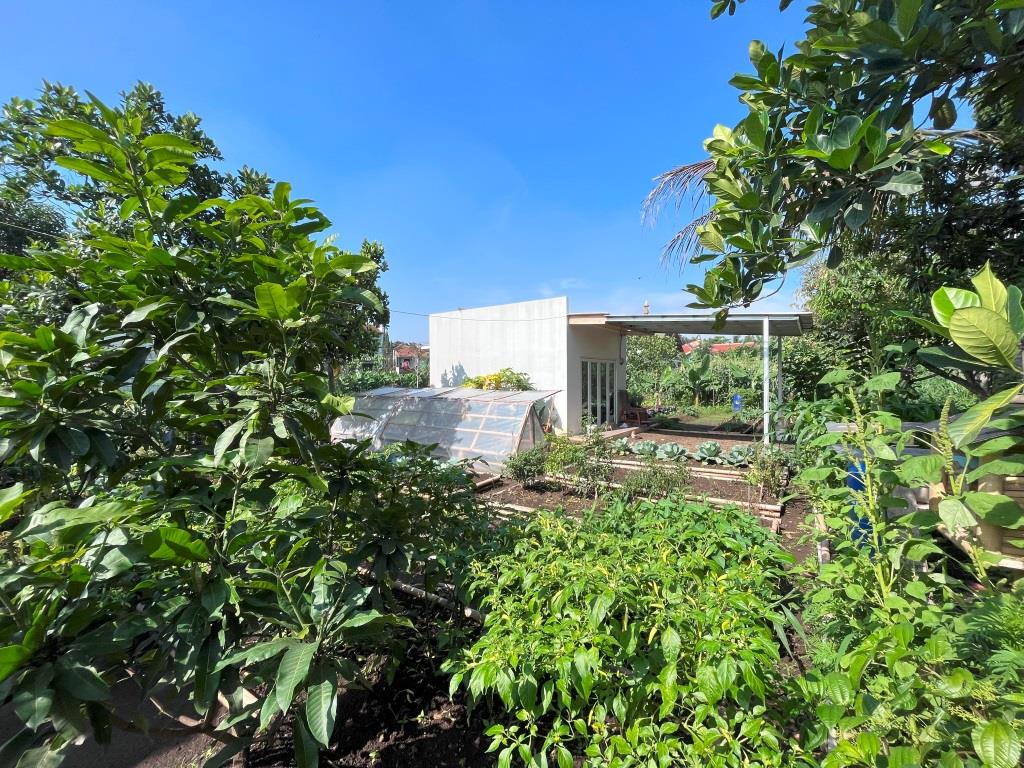
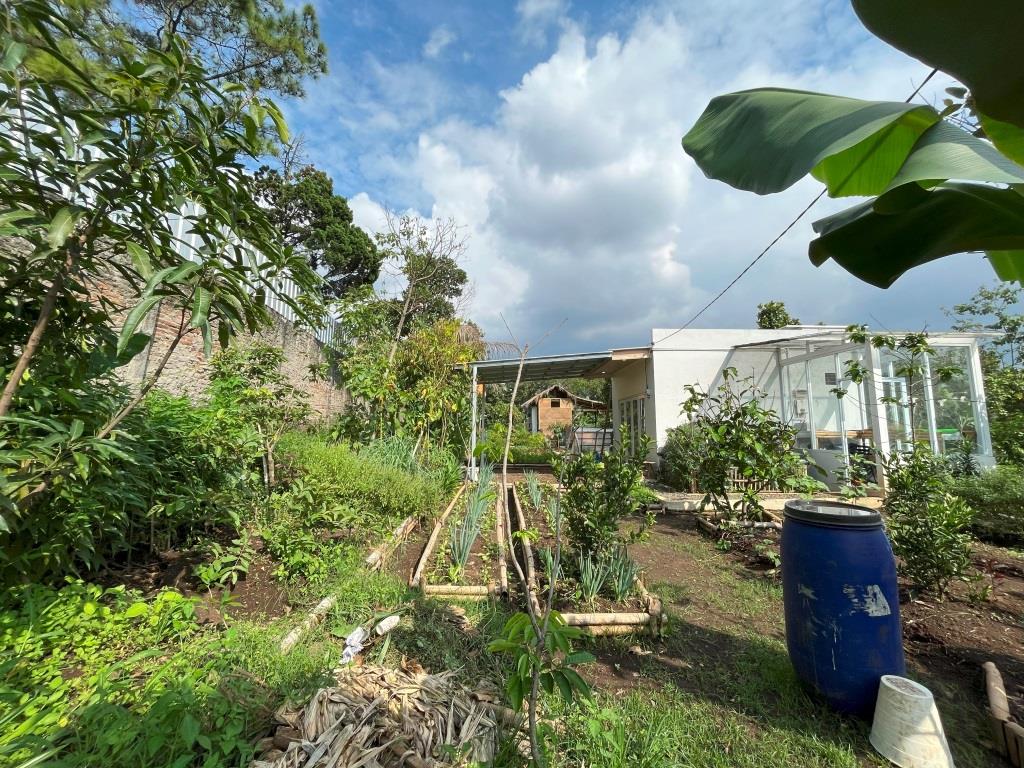
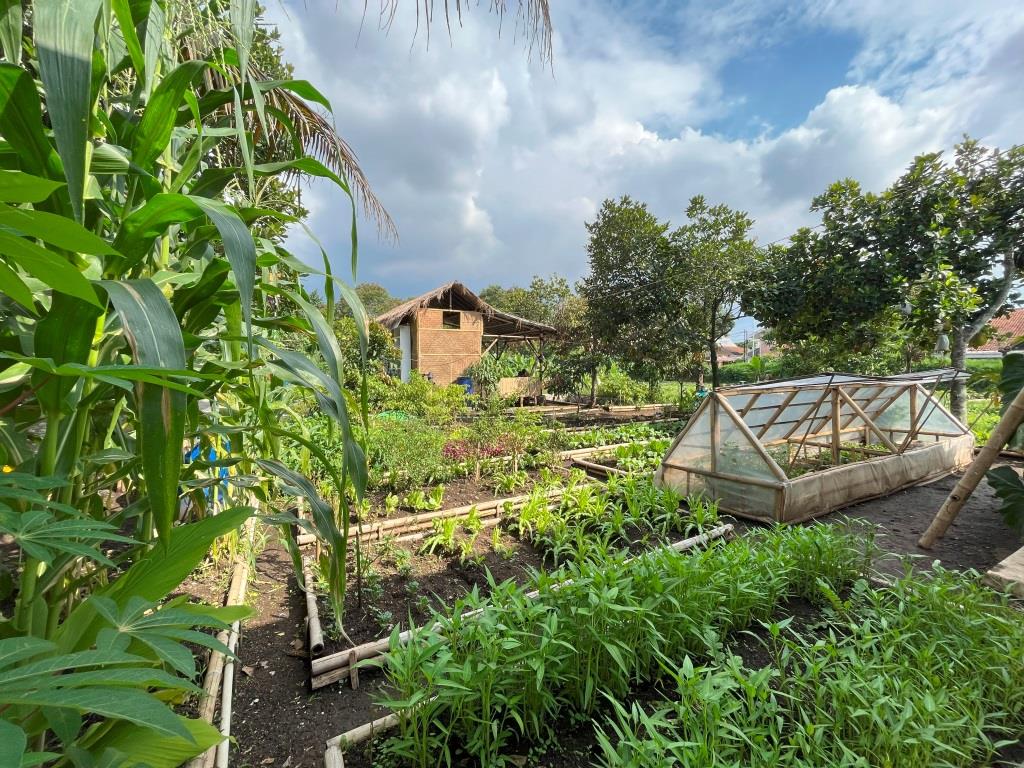
July 19, 2023 — Bandung Urban Agriculture Heritage, known as BUAH, is a sustainability-focused start-up under the guidance of the Faculty of Sekolah Pasca Sarjana and the Center of Excellence in Environmental Science and Sustainability (CESS) at Universitas Padjadjaran. Located in Bandung, West Java, BUAH is dedicated to the study and revitalization of urban agricultural heritage.
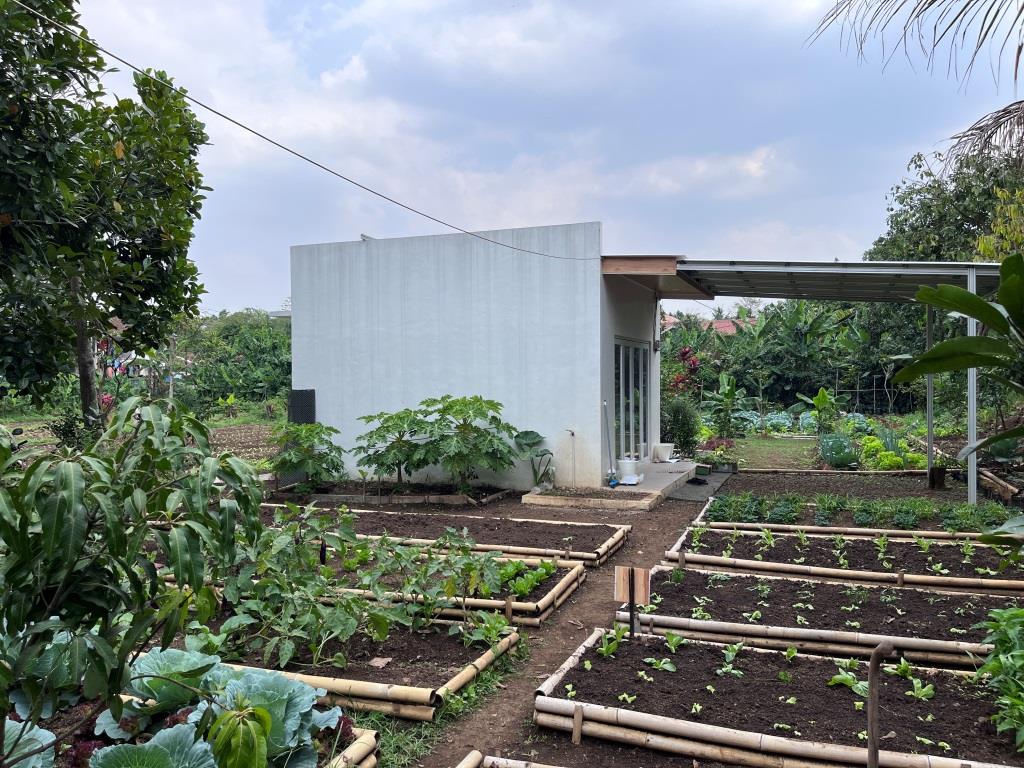
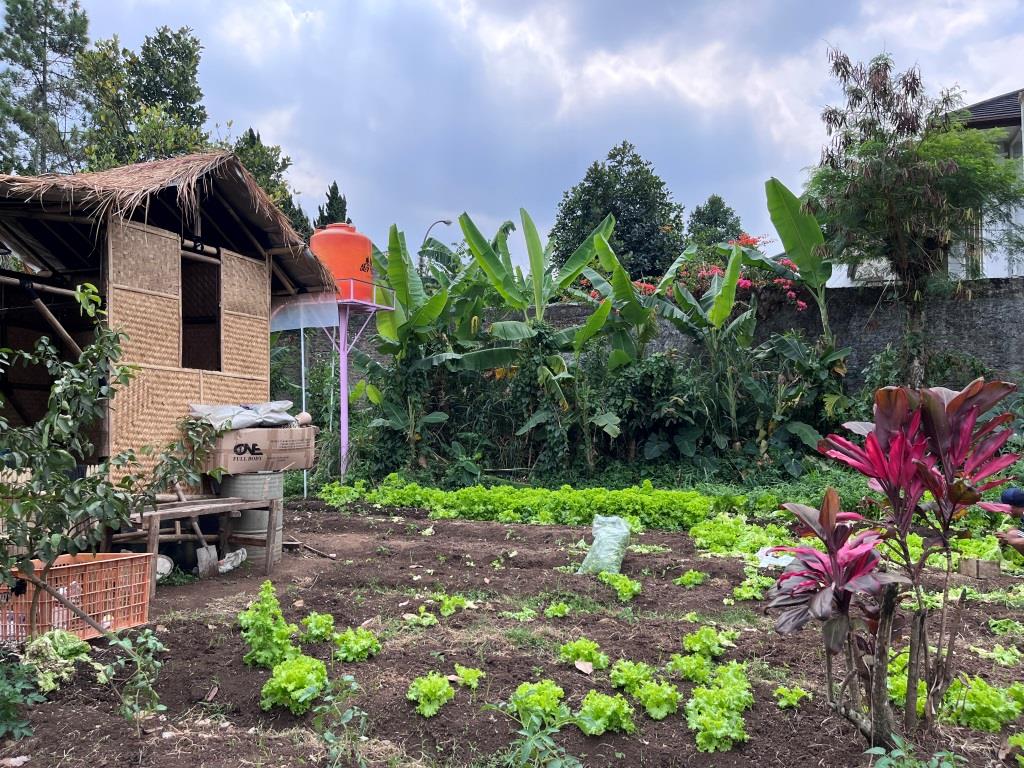
BUAH the Living Lab is a crucial part of the Integrated Study of Urban Agriculture Heritage (INSUAH), a collaborative initiative involving Germany, Japan, Brazil, Cuba, and Indonesia. Established to detect and describe the urban agricultural heritage of Bandung, BUAH works alongside local governments and stakeholders to raise awareness about heritage, understand urban agricultural practices, and develop sustainable urban planning policies and practices through a heritage perspective.
The objectives of BUAH the Living Lab are multifaceted:
Combining Traditional Knowledge with Modern Techniques: By integrating age-old agricultural wisdom with contemporary farming methods, BUAH aims to create a resilient and productive urban farming ecosystem.
Enhancing Urban Farmers’ Income and Climate Resilience: The initiative focuses on increasing the economic benefits for urban farmers while simultaneously addressing the challenges posed by climate change.
Implementing Adaptive Local Wisdom: BUAH leverages adaptive local knowledge to ensure the sustainability and relevance of urban agricultural practices in the face of evolving environmental conditions.
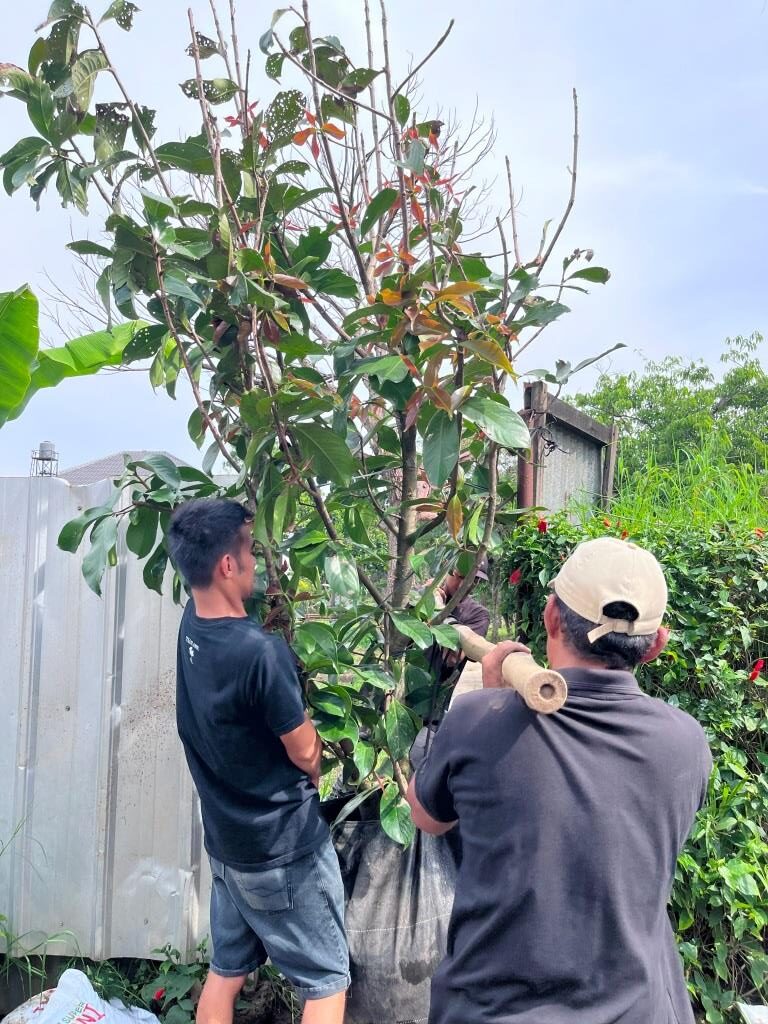
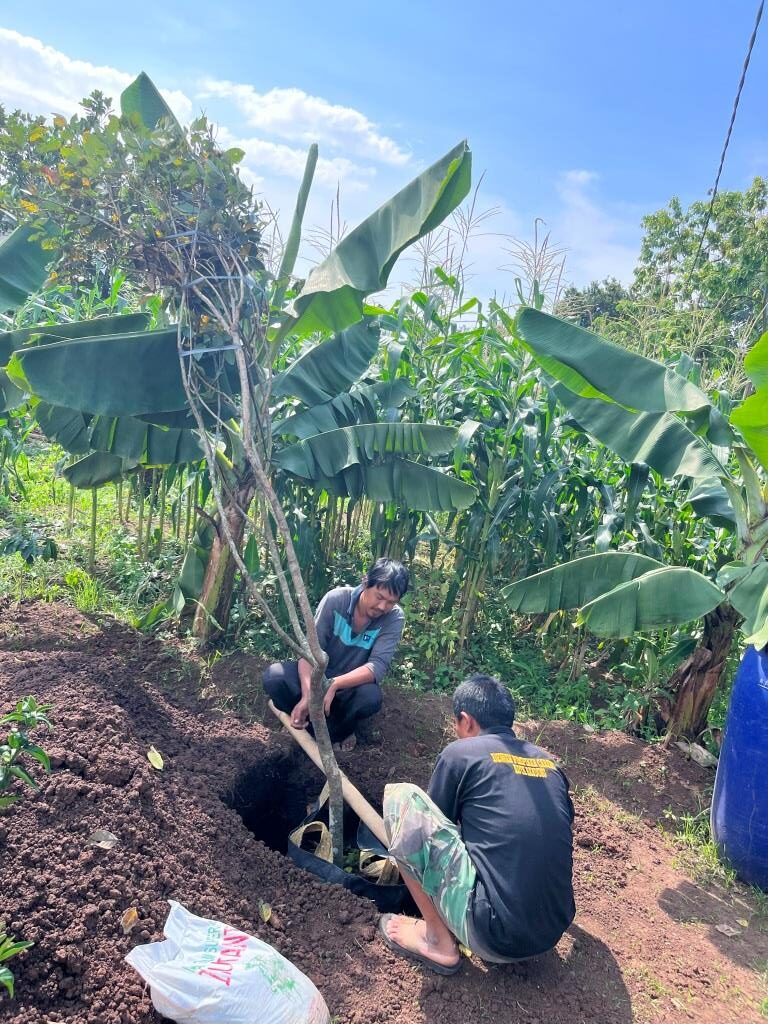
Restoring Diverse Home Gardens: Mimicking forest ecosystems, BUAH seeks to revive the multifunctional and biodiverse nature of traditional home gardens.
Biodiversity and Carbon Sequestration Studies
The biodiversity and carbon storage studies at BUAH encompass flora, fauna, and carbon sequestration potential. Flora diversity was assessed through census methods, while fauna diversity involved point count methods for birds and direct sweeping with insect nets for insects. The Rapid Carbon Stock Appraisal (RaCSA) method was used to estimate carbon sequestration.
The findings from these studies include:
Flora Diversity: 53 species across 30 families, with a biodiversity index of 1.73, indicating moderate diversity. The demplot at BUAH showed an increased biodiversity index from 2.38 to 2.46 over two periods.
Fauna Diversity: 16 bird species from 14 families with a biodiversity index of 2.21 (moderate) and 43 insect species with 172 individuals, yielding a high biodiversity index of 3.50.
Carbon Sequestration: The site demonstrated a carbon storage potential of 11.82 tons/ha with a total biomass of 51.4 tons/ha. Key species contributing to carbon sequestration included avocado (Persea americana), rambutan (Nephelium lappaceum), and mango (Mangifera indica).
BUAH the Living Lab, with its diverse approaches and significant findings, exemplifies how heritage-based urban agriculture can contribute to sustainability and resilience. By supporting local farmers and promoting sustainable practices, BUAH aligns with several Sustainable Development Goals (SDGs), particularly SDG 2 (Zero Hunger), SDG 13 (Climate Action), and SDG 15 (Life on Land).
For more insights and detailed findings from our research activities, visit INSUAH Research Activities. Join us in promoting sustainable and resilient urban agriculture. (SNM)
Bandung Urban Agriculture Heritage (BUAH)